
Civil Unrest & the Rise of the Living Dead
In 1968, George A. Romero’s quintessential film Night of the Living Dead was released, marking the beginning of social commentary through the lens of the living dead. Romero may not had initially intended to make a film steeped in social commentary however, when the audience reflected its themes to relevant events, he did not reject the perception.
Romero was notably grounded and aware of the political climate, so it would not be a stretch to say that the exploration of human “nature” featured in the film’s story is Romero holding up a mirror to his community and to society.
The success of Night of the Living Dead spawned a franchise of five sequels, a handful of remakes or adaptations and a lucrative subgenre in the horror umbrella.
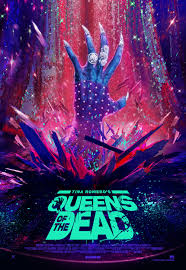
In 2025, Tina Romero, George Romero’s daughter released their own adaption of the Living Dead in the comedy-horror Queens of the Dead - and yes, it is camp.
Queens of the Dead is a perfect example of analyzing humanity through the subgenre and not just because Tina is a Romero, but because they internalized the same ability to hold the mirror up to their community. In Queens of the Dead, between the lewks, and the gags, there are four battles that the cast of characters are forced to confront. Infighting. Homophobia + Transphobia. Drug use. And Zombies.
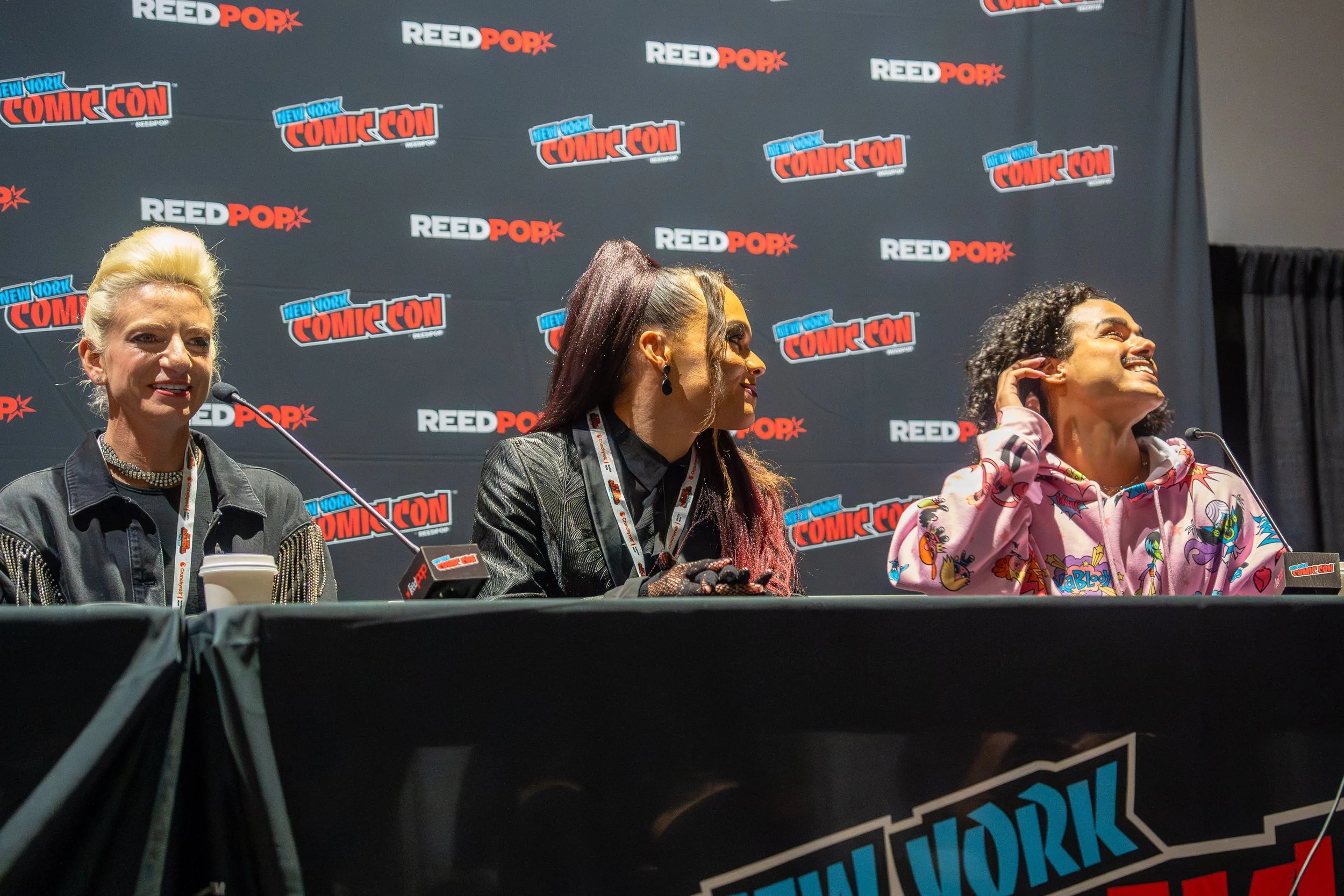
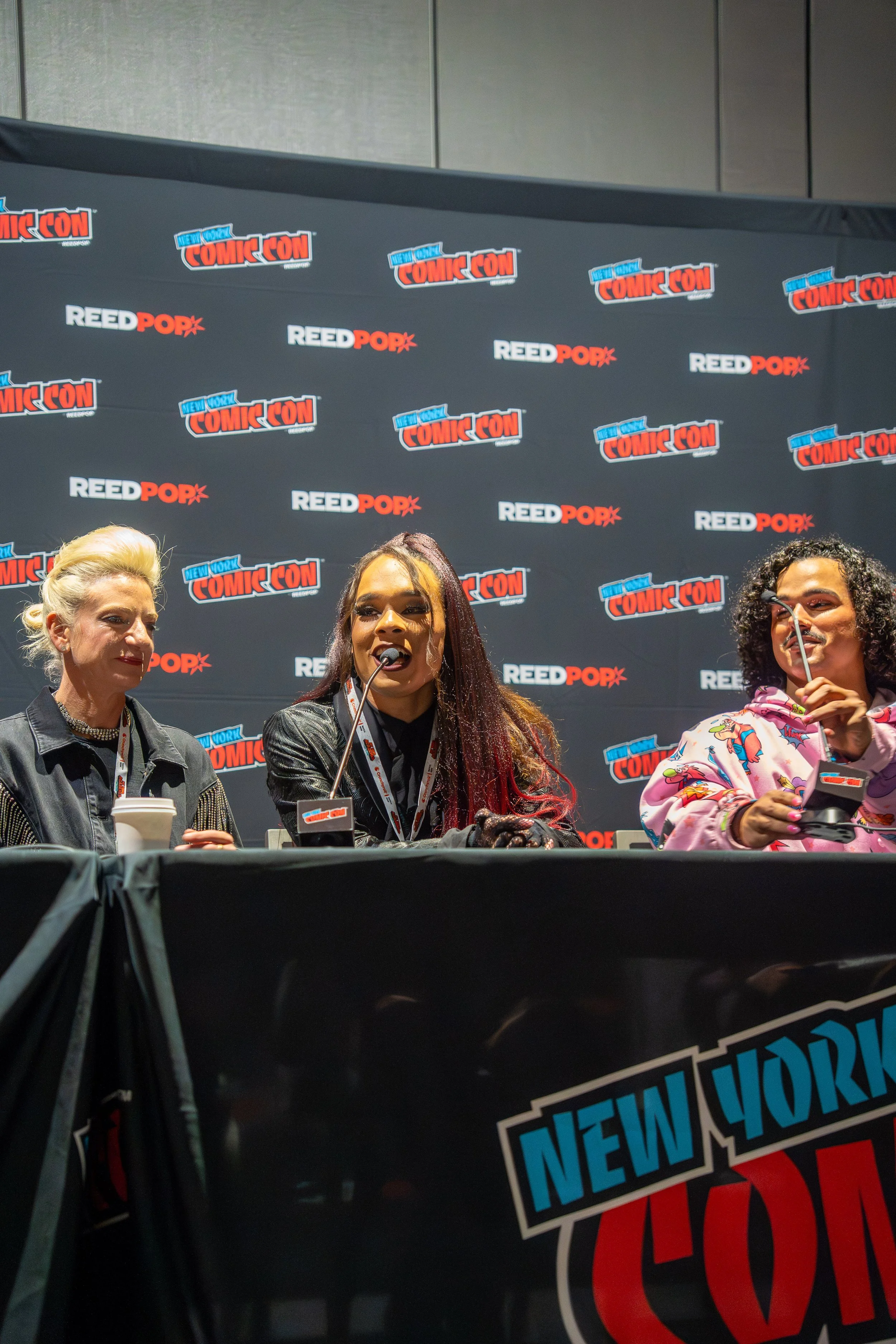
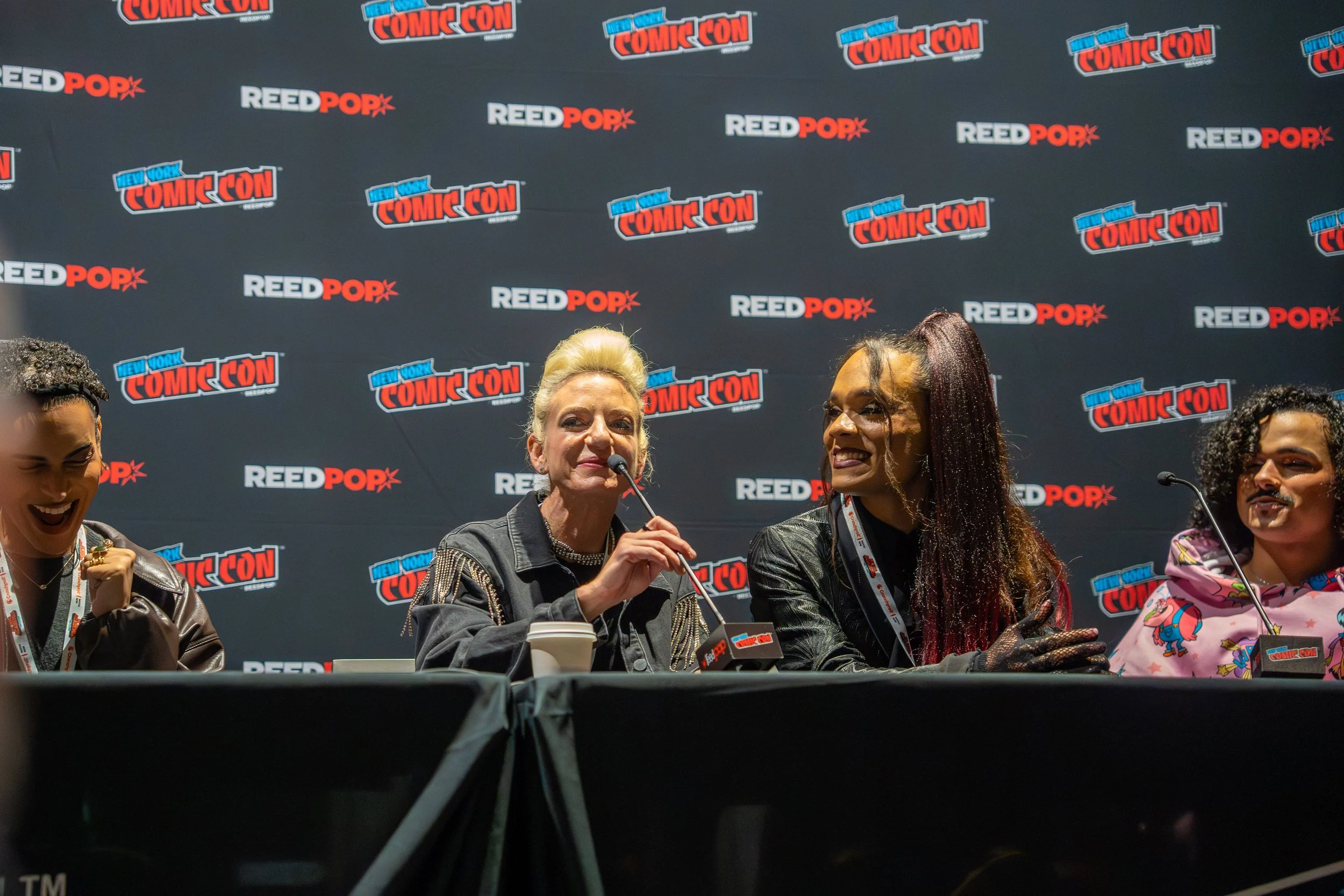
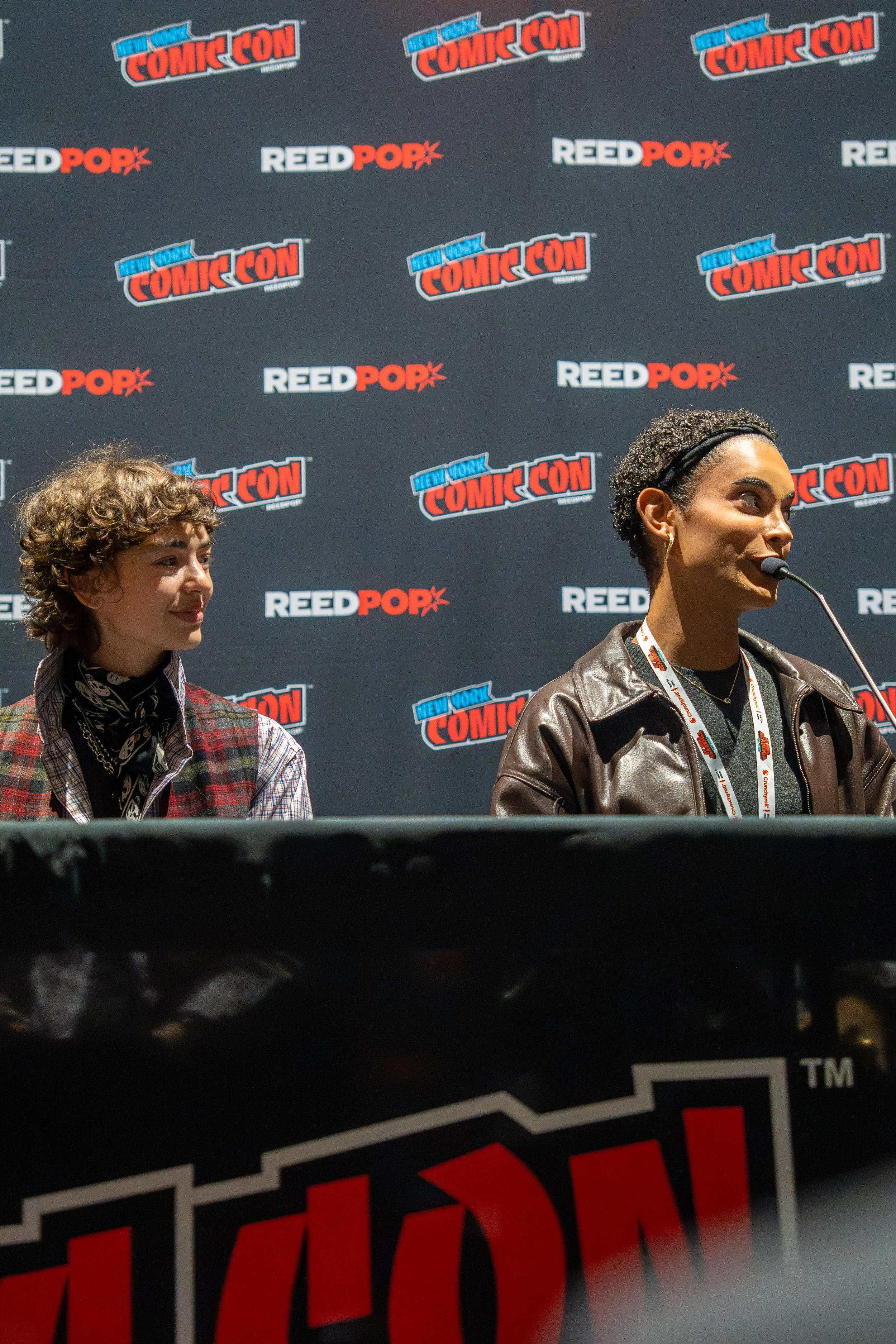
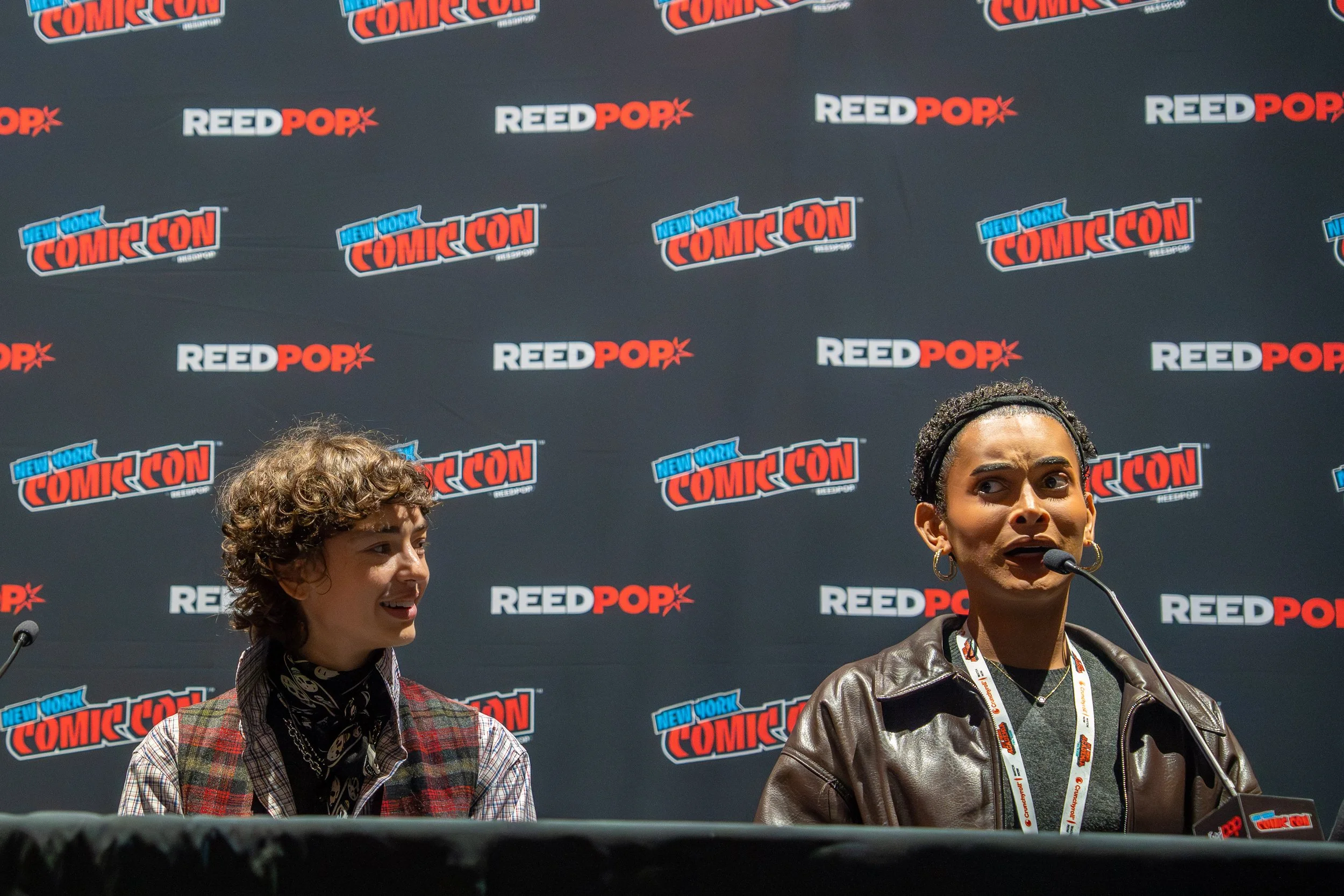
During a panel at the 2025 New York ComicCon (NYCC), when asked about their father’s influence, Tina Romero explains that they “knew that if [they] were going to tackle this at all, then [they] had to say some shit”. Tina and their co-writer started by mapping out the issues they wanted to address, and they knew implicitly that it was important for them to focus on the community that they are a part of.
As mentioned one of the major conflicts includes infighting. Tina wanted to show their audience that, even with conflict and different perspectives, “intergenerational hangs are so important” for the health of their community. Throughout the film, we watch as folks from varying backgrounds and experiences within the queer, drag nightlife scene connect and build their found family.
Their survival is dependent on their willingness and ability to come together.
Going deeper into the exploration of the modern human condition, Queens of the Dead also showcases the “absolute…explosion of tech that we’re all dealing with, that’s changing us as people.” Tina Romero expressed that “in this next wave of Romero zombies we need to address the phones, we need to address the social media apps that are pulling us apart - keeping us separated.”
In Queens of the Dead, Tina Romero uses the attachment to technology as a vehicle for the dehumanization of society. George Romero’s living dead were called “ghouls”. A ghoul is defined as an evil spirit or refers to a person morbidly interested in death and/or disaster. These characteristics are depicted in both the beings that are trying to eat the flesh of the survivors but also with the dehumanizing actions of the armed citizens.
Considering the rise in attacks on the rights of queer and trans folks and the civil unrest around the United States’ political climate as a whole, Tina Romero’s Queens of the Dead holds the mirror up to their community and to society just as their father, George Romero, had done in 1968.
🎬WATCH: Evolution of Queer Horror and a discussion about Queens of the Dead (panel clip)🎬
Shudder Presents: Evolution of Queer Horror and a discussion about Queens of the Dead (NYCC 2025)
The panel featured: Tina Romero, Jack Haven, Julie J, Jaquel Spivey, Tomas Matos, Samora La Perdida
Photos by GhostGirl Productions